Inflation Climbed to 4.2% in May, Its Highest Rate in Three Years. For Most Americans, Wages Aren't Keeping Up.
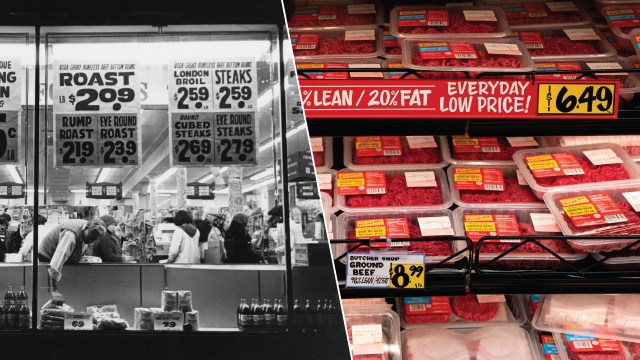
Inflation climbed to 4.2% in May, the highest annual rate since April 2023 and the third consecutive monthly acceleration. For American families, that number is showing up at the gas pump, in the produce aisle, and in grocery bills that keep rising faster than paychecks.
The single biggest driver of May's increase was energy. Gasoline prices rose 40.5% from a year earlier and accounted for more than 60% of the month's overall price increase. The surge traces to the ongoing conflict in the Middle East: the closure of the Strait of Hormuz disrupted global oil supplies and sent energy costs up 23.5% year over year. Food prices at the grocery store rose 2.7% annually, with standout increases in lettuce (up nearly 25%), coffee (up 17.5%), and tomatoes (up 32%).
The energy shock is the sharpest pressure right now, but it is not the only one. A Federal Reserve Bank of Dallas study published last month confirmed that Trump's tariffs have reached full pass-through to consumers, meaning companies are no longer absorbing any portion of the cost. Researchers found that core inflation — the measure stripping out food and energy — would have been 0.8 percentage points lower in March without tariffs, putting it closer to 2.3% rather than the 3.2% it actually reached. Analysts at the Tax Foundation put the total tariff burden at roughly $1,000 per American household.
That compounding pressure has worn down public confidence. The University of Michigan's April consumer sentiment index fell to 49.8, the lowest reading in the survey's 74-year history. Three of the four all-time low readings have come within the past nine months. A Pew Research survey from April found that 66% of Americans now call inflation a "very big problem", up from 63% the year before.
"Americans are literally getting squeezed now," said Heather Long, chief economist at Navy Federal Credit Union. "It's not just a vibe, it's a financial reality."
The squeeze is real in part because wages have not kept pace. Average hourly earnings grew 3.6% over the past year, a rate that would be healthy under normal conditions but falls short of 4%-plus inflation. Pew Research found that real wages — earnings after accounting for inflation — fell between 1% and 3.5% over the five years ending in December 2025, regardless of which price index was used. Joseph Brusuelas, chief economist at RSM, projected that real hourly earnings would be "flat to negative for April and definitely negative in May" after the Middle East energy shock hit prices.
The pain is concentrated in lower-income households. Federal Reserve researchers described the economy in "K-shaped" terms: households earning roughly $150,000 or more show few signs of cutbacks and have continued booking vacations, while lower-income households have pulled back sharply, including on gasoline. Elizabeth Renter, senior economist at NerdWallet, described the situation plainly after the May report: "Consumers are paying more for essentials, and they can feel powerless to mitigate this pain."
With inflation now at a three-year high, the Federal Reserve faces pressure to hold or raise rates rather than cut them as many borrowers had hoped. Nancy Vanden Houten of Oxford Economics suggested May's 4.2% rate could mark the year's peak, with the trajectory after that depending largely on how the conflict in the Middle East unfolds.

